
Ayala’s net income rose to P15.1 billion in the first-half, up 9% year-on-year

Ayala Corporation’s net income expanded nine percent in the first half of the year to P15.1 billion year-on-year, primarily driven by the solid contributions of its real estate and power generation businesses. Equity earnings amounted to P17.4 billion in the first semester, six percent higher from a year ago. This was underpinned by robust contributions from Ayala Land and AC Energy, which grew 17 percent and 64 percent, respectively.

In the second quarter, Ayala recorded a net income of P8.1 billion, up two percent from its year-ago level. The higher securities trading gains recognized by Bank of the Philippine Islands in the previous year tempered Ayala’s net earnings during the period.

“We are pleased with the overall strong performance of our businesses. The active portfolio management, new business initiatives, and financial discipline we employed in recent years—supported by a healthy domestic economy—continue to bolster Ayala’s growth trajectory,” Ayala President and Chief Operating Officer Fernando Zobel de Ayala said.

Real Estate

Ayala Land sustained its growth trajectory in the first semester, recording P11.5 billion in net income, an 18 percent-jump from a year ago on the continued expansion of its property development and commercial leasing businesses.

Revenues from Ayala Land’s property development business rose 32 percent to P44.3 billion, mainly driven by strong performance across its residential, office for sale, and commercial and industrial lots sales segments. Residential revenues jumped 27 percent to P36.8 billion on new bookings and project completions across all residential brands. Reservation sales expanded 11 percent year-on-year to P61.4 billion. In the second quarter alone, reservation sales reached a record P34.1 billion, up 12 percent from its year-ago level. Meanwhile, booked sales soared 22 percent from a year ago to P40.5 billion. In the first semester, Ayala Land launched P31.9 billion worth of residential and office for sale projects.

In the office for sale segment, revenues expanded 36 percent to P4.2 billion driven by bookings from the High Street South Corporation Plaza 2 project. Revenues from commercial and industrial lot sales surged more than twofold to P3.3 billion backed by lot sales in Arca South, Vermosa, and Naic.
In commercial leasing, mall leasing revenues rose 12 percent from its year-ago level to P7.9 billion lifted by the contributions of new malls including The 30th, Tutuban Center, and UP Town Center. Revenues from office leasing climbed to P2.9 billion, 14 percent higher year-on-year buoyed by contributions of newly opened offices such as the UP Town Center, UP Technohub Building P, and the Ayala Center Cebu Corporate Center. Moreover, hotels and resorts revenues improved six percent to P3.4 billion on higher occupancy and average room rates at El Nido Resorts. In addition, Ayala Land’s property management revenues grew 12 percent to P816 million driven by an increase in managed properties and higher carpark volume. Altogether, Ayala Land’s recurring income business contributed 36 percent of its net income in the first half of the year.

Banking

Continued investments to ramp up its digitization strategy coupled with lower securities trading gains tempered Bank of the Philippine Islands’ net income in the first semester to P11.7 billion, eight percent lower from its year-ago level.

Revenues ended flat at P35.3 billion as the solid growth in BPI’s core banking business balanced out a lower non-interest income. The bank posted P23.5 billion net interest income, 14 percent higher year-on-year on the back of higher asset yields and an improved loan-to-deposit ratio. Non-interest income dropped 18 percent to P11.8 billion owing to a slowdown in securities trading. The decline was partly tempered by BPI’s fee-based business, which grew 18 percent from the previous year, driven by cards and payments, service charges, and investment banking.

BPI’s loan book expanded 17 percent to P1.1 trillion, driven by corporate loans, which accounted for 79 percent of the bank’s loan portfolio in the first semester. The bank continues to improve its asset quality with gross 90-day non-performing loans ratio at 1.5 percent from 1.6 percent in the previous year, while reserve cover stood at 126 percent during the period. Total deposits grew eight percent to P1.4 trillion. The bank’s current and savings accounts ratio stood at 73 percent.

As part of its commitment to widen its reach to underbanked and underserved Filipinos, BPI relaunched in July its microfinance arm, BPI Direct BanKo to service the needs of self-employed micro-entrepreneurs (SEMEs). BPI Direct BanKo currently operates 24 branches and micro-banking offices (MBOs) with a target to open 100 new branches and MBOs by year end.

Telecom

Globe Telecom sustained its topline growth on robust demand for data-related services across its product segments, with revenues expanding five percent to P62.9 billion in the first half of 2017.

Mobile revenues rose five percent to P48.3 billion, lifted by strong demand for mobile services. Mobile data revenues jumped 13 percent as mobile data traffic surged 85 percent to 280 petabytes during the period. Meanwhile, mobile subscribers dipped three percent to 59.7 million in the first semester as a result of Globe’s shift in reporting prepaid subscribers who do not reload 120 days to 90 days of inactivity, which started in the first quarter of 2017.

Meanwhile, home broadband revenues grew eight percent to P7.7 billion, in step with a higher home broadband subscriber base which also improved eight percent to 1.2 million. In the first semester, data-related services accounted for 53 percent of Globe’s total revenues.

Higher depreciation, interest expense, and costs related to the acquisition of San Miguel’s telecom assets weighed down on Globe’s net earnings, which dropped 10 percent to P8.1 billion in the first half of the year. Excluding costs related to the San Miguel deal, net earnings would only be four percent lower.

Globe ended the first half of the year with earnings before interest, taxes, depreciation, and amortization (EBITDA) of P27.3 billion, six percent higher from a year ago. Globe’s EBITDA margin improved to 43.3 percent from 42.8 percent in the previous year.

In its drive to continue improving customer connectivity and increase data traffic, Globe in the second quarter rolled out more than 1,100 cell sites that utilize the LTE frequencies acquired from the San Miguel deal. It also deployed close to 150,000 broadband lines in the same period.

Water

The steady performance of its Manila Concession coupled with increasing contributions from its domestic subsidiaries drove the three percent increase in Manila Water’s net income to P3.2 billion in the first half of the year. Revenues rose four percent to P9.1 billion buoyed by the continued expansion of its businesses outside Metro Manila.

Manila Water’s domestic business, Manila Water Philippine Ventures, recorded an attributable net income of P306 million, up 20 percent from a year ago, on strong contributions from Laguna Water and Estate Water. Laguna Water’s net income rose 49 percent to P148 million, lifted by the expansion of coverage in Laguna province. Meanwhile, Estate Water’s net earnings jumped 69 percent to P122 million, backed by increased connections and billed volume growth. Net income from Manila Water’s non-Manila concession businesses reached P584 million, representing 18 percent of Manila Water’s consolidated net income from 15 percent during the previous year.

The Manila Concession booked a three percent increase in net income to P3 billion driven by a one percent-improvement in billed volume resulting from sustained demand of commercial customers. Operational efficiency in the Manila Concession remained strong, with non-revenue water ratio at 12.8 percent and collection efficiency at 99 percent.

On a consolidated basis, Manila Water’s billed volume rose three percent to 366.9 million cubic meters in the first half of the year.

In June, Manila Water acquired additional shares of Saigon Water Infrastructure Corporation (“SII”), bringing its total ownership of the company to 37.99 percent. The transaction is in line with Manila Water’s investment strategy in Vietnam and in Asia.


Industrial Technologies

AC Industrials registered a net income of P739 million in the first half of the year, three percent lower from the previous year, as the lower contributions of its vehicle retail business tempered the gains from the robust performance of its electronics manufacturing arm.

Its electronics manufacturing unit, Integrated Micro-Electronics, Inc. (IMI), registered a net income growth of 14 percent to US$17 million, bolstered by its organic businesses in the Philippines, China and Mexico operations, as well as fresh contributions from newly acquired businesses. IMI’s total revenues grew 22 percent to US$501 million. Newly acquired businesses VIA Optronics and STI Enterprises Ltd. posted US$72.5 million in combined revenues, with one month contribution from STI.

AC Industrials’ vehicle retail business posted P14.7 billion in revenues, up 37 percent year-on-year, mainly driven by strong sales across all brands. However, this was offset by the lower dividend income from Isuzu Philippines Corporation, resulting in a 21 percent-decline in the net income of AC Industrials’ vehicle retail segment to P319 million.

In July, AC Industrials acquired MT Technologies GmbH, a German-based automotive supplier of models, tools, and plastic parts for automotive original equipment manufacturers (OEMs) and automobile tier 1 suppliers. In addition, its manufacturing facility for KTM motorcycles in Laguna commenced operations in June. These investments form part of AC Industrials’ strategy to increase its competence and capabilities in the automotive value chain and complement existing businesses in manufacturing services and vehicle retail.

Power Generation

In power generation, AC Energy’s net income surged 64 percent to P949 million in the first semester on the back of a favorable wind regime, improved efficiencies of its operating coal plants combined with feed-in-tariff earnings from its solar plant, as well as fresh contributions from Chevron’s geothermal assets in Indonesia.

AC Energy continues to pursue domestic and foreign expansion initiatives as it targets to double its attributable power generating capacity to 2,000 megawatts by 2020. In July, AC Energy entered into an agreement with UPC Renewables for the development of small island power projects in Indonesia.

Also in July, AC Energy, together with Star Energy, transferred 99 percent of its consortium interest in ACEHI-STAR Holdings to AllFirst Equity Holdings. ACEHI-STAR is the special purpose company that signed a share sale and purchase agreement with Chevron Philippines to acquire its geothermal assets, subject to certain conditions precedent.

Infrastructure

AC Infrastructure continues to improve efficiencies in its three public-private partnership projects. Light Rail Manila Corporation, the operator of LRT-1, averaged close to 430,000 in daily ridership in the first semester. Since taking over operations in 2015, it has increased the number of light rail vehicles by 35 percent to 104. Meanwhile, the Muntinlupa-Cavite Expressway is now serving nearly 28,000 vehicles per day, a 23 percent increase from its year-ago level. In addition, the Beep ticketing system now has nearly four million cards in circulation and has processed approximately P7.2 billion in transactions across rail, bus, and retail platforms since its release in 2015.

Social Infrastructure

In healthcare, AC Health continues to widen access to affordable medicine and primary healthcare services through Generika and FamilyDOC. In the first half of the year, Generika’s revenues reached P1.5 billion, up 10 percent year-on-year bolstered by higher retail and distribution sales across its branch network. As of the first half of 2017, Generika had a footprint of 698 branches nationwide. Meanwhile, FamilyDOC opened four new clinics in Las Pinas City, Imus, Cavite and Paranaque City. Since opening its pilot clinic in 2015, FamilyDOC has served over 30,000 unique patients as of July 2017 and has a branch network of 10 clinics in the southern Greater Manila Area. FamilyDOC aims to launch 14 more clinics this year.

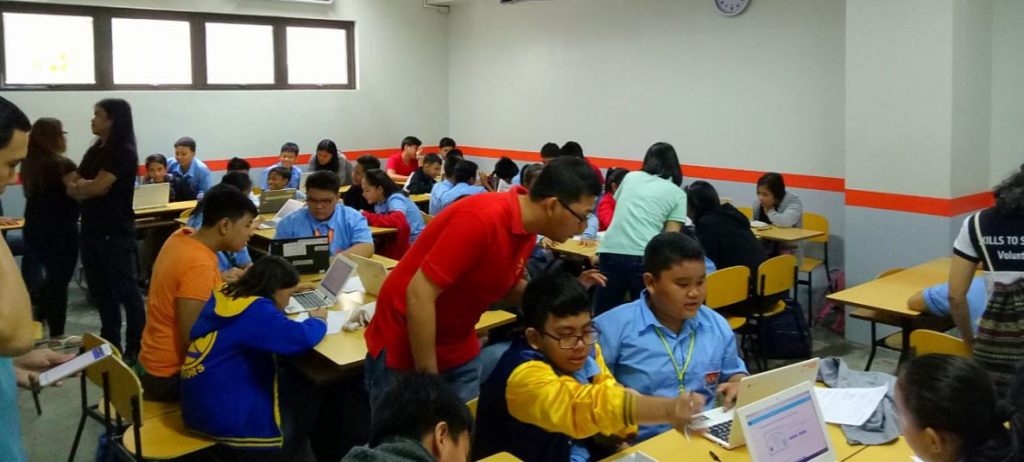
In education, AC Education is completing enrollment for school year 2017-2018 in both APEC Schools and University of Nueva Caceres (UNC). As of end-July 2017, enrollment in APEC schools reached 16,200 enrollees, 54 percent higher year-on-year as it welcomes its first batch of Grade 10 Junior High School students and Grade 12 Senior High School students. APEC Schools is present in 23 sites across Metro Manila, Rizal, Cavite, and Batangas. Moreover, UNC increased its student population by five percent to 8,054 despite the absence of incoming freshmen in the second year of implementation of the K-12 law.

Balance Sheet

Ayala’s balance sheet remains at a comfortable level. Cash at the parent level amounted to P12.1 billion, while net debt stood at P64.4 billion. Net debt-to-equity ratio for the period was 0.67 at the consolidated level and 0.60 at the parent level. Ayala’s loan-to-value ratio or the ratio of its parent net debt to the total value of its investments was 9.8 percent in the first half of the year.

In line with Ayala’s prudent cash and debt management strategy, Ayala’s Board of Directors approved the filing of a three-year shelf registration with the Securities and Exchange Commission of up to P30 billion debt securities in one or more tranches. The shelf registration provides Ayala financial flexibility to issue debt instruments opportunistically as market permits.

Ayala registers P6.9 billion net income in Q1, up 20%

Ayala Corporation’s net income expanded 20 percent in the first quarter of the year to P6.9 billion driven by the robust results of its banking and real estate businesses, as well as the solid earnings of its emerging businesses in power and industrial technologies.

Strong equity earnings from its businesses, which climbed 18 percent year-on-year to reach P8.5 billion, lifted the conglomerate’s performance during the period. This was led by equity earnings from the Bank of the Philippine Islands and Ayala Land, which expanded 27 percent and 18 percent, respectively. In addition, Ayala’s emerging businesses posted higher equity earnings, particularly AC Energy and AC Industrials, expanding 26 percent and 22 percent, respectively.

On a quarter-on-quarter basis, Ayala’s net income climbed 9 percent from the fourth quarter of 2016 on the back of the robust performance of its banking business.

“We are pleased to see our businesses sustain their positive performance in the first quarter. As a group, we continue to search for value-accretive opportunities not only to create new sources of financial growth, but also to remain relevant to our stakeholders. As our core businesses maintain their growth trajectories, we are encouraged by the progress of our emerging businesses. In particular, our power, infrastructure, and industrial technologies units are pursuing strategic opportunities to scale up and over time bring significant value to our portfolio,” Ayala President and Chief Operating Officer Fernando Zobel de Ayala said.

Real Estate

Ayala Land posted P5.6 billion in net income during the period, 18 percent higher year-on-year on the continued expansion of its property development and commercial leasing businesses.

Property development revenues jumped 21 percent to P19.7 billion, backed by the residential, office for sale, and commercial and industrial lots segments. Residential revenues grew 11 percent to P16.6 billion, supported by higher bookings and project completions across all residential brands. Bookings from Alveo’s Park Triangle Tower and Avida’s Capital House, both in Bonifacio Global City, as well as the Alveo Financial Tower in the Makati Central Business District, drove the 26 percent increase in office for sale revenues to P1.5 billion. Meanwhile, commercial and industrial lot revenues expanded tenfold to P1.6 billion, fueled by lot sales in Vermosa, Arca South, and Naic.

Mall and office leasing revenues continued to improve, reaching P7.1 billion, up nine percent from a year ago. Ayala Land booked P3.8 billion in mall leasing revenues during the period, a 12 percent increase year-on-year. This was driven by the contributions from newly opened malls, namely: The 30th in Pasig City, UP Town Center in Quezon City, South Park in Muntinlupa City, Ayala Malls in Legaspi, and the addition of Tutuban Center in Manila. Office leasing revenues rose eight percent to P1.5 billion on higher average rent in established offices and contributions from newly opened office spaces. Hotel and resorts revenues were stable at P1.7 billion, up four percent from a year ago.

In the first three months of the year, Ayala Land deployed P21.8 billion in capital expenditures. Of this amount, 46 percent was used for the completion of residential projects, while 37 percent was channeled into commercial leasing projects. The remaining amount was allocated for land acquisition and the developments of Ayala Land’s existing estates.

Banking

Bank of the Philippine Islands booked robust results in the first quarter of the year with net income surging 26 percent to P6.3 billion buoyed by the consistent performance of its core lending business. This was further boosted by its fee-based businesses and gains from securities trading and property sales.

BPI’s total revenues jumped 18 percent year-on-year to P18 billion. Net interest income expanded 15 percent to P11.5 billion, bolstered by higher asset yields and the growth of its loan portfolio. Non-interest income jumped 23 percent to P6.5 billion on securities trading gains, service charges, underwriting fees, and gains from asset sales.

Cognizant of customers’ evolving needs and preferences, BPI increased its investments in tools and processes to ensure greater convenience and security for customers amid an increasingly digital environment. The bank’s operating expenses during the period amounted to P8.7 billion, up 11 percent owing to additional manpower, regulatory costs, and spending on operational infrastructure. Despite higher operating expenses, BPI’s cost-to-income ratio improved to 48.6 percent compared to 51.4 percent during the same period last year. The bank ended the first quarter with return on assets of 1.5 percent and a return on equity of 15 percent, up 0.14 and 1.89 percentage points, respectively.

BPI’s loan portfolio expanded 20 percent year-on-year to P1.03 trillion. The bank maintains a healthy asset base with gross 90-day non-performing loans improving to 1.5 percent compared to its year ago level of 1.7 percent. Reserve cover grew to 123.7 percent from 114.2 percent in the same period last year. Total deposits stood at P1.4 trillion, up 11 percent, with low-cost deposits amounting to 73.9 percent of the full amount.

Telecom

The sustained momentum in data-related services across mobile data, home broadband, and corporate data segments drove Globe Telecom’s topline growth in the first three months of the year, which improved four percent to P31 billion. Mobile data revenues climbed eight percent to P10 billion, with this segment now representing 42 percent of total mobile revenues. Data-related services accounted for 53 percent of Globe’s total service revenues during the period.

Despite this improvement in revenues, the higher depreciation, interest expense, and costs related to the strategic acquisition of San Miguel’s telecom assets weighed on Globe’s net income, which declined 13 percent to P3.8 billion in the first quarter. Stripping off the impact of costs related to the acquisition of San Miguel’s telecom assets, Globe’s normalized net income declined by only four percent.

Globe’s earnings before interest, taxes, and depreciation slightly rose two percent to P13.3 billion as the increase in revenues was pared by higher operating expenses. EBITDA margin during the period stood at 43 percent, slightly lower from its year ago level. Globe booked P6.4 billion in depreciation expenses, four percent higher as a result of the aggressive infrastructure investments it made in recent years.

Acquisition of high-value prepaid subscribers slightly lifted Globe’s mobile subscriber base, which stood at 58.6 million in the first quarter, two percent higher than a year ago. Globe’s prepaid segment accounted for 99 percent of subscriber identification modules (SIM) during the period. Effective this reporting period, Globe will report subscriber information based on a churn rate of 90 days from the previous 120 days.

As part of its commitment to improve LTE capacity and network coverage, Globe has deployed 260 LTE700 and 30 LTE2600 sites during the first quarter using frequencies obtained from the San Miguel acquisition. It also launched 155 sites utilizing the LTE1800 frequency.

Water

Because of higher costs from new investments and expansion initiatives, Manila Water posted a two percent decline in its net earnings to P1.4 billion in the first quarter. Consolidated revenues, however, rose three percent to P4.4 billion owing to a slight increase in billed volume during the period.

Manila Water continues to pursue growth opportunities outside the Manila Concession. In the first quarter, its businesses outside the Manila Concession accounted for 19 percent of its net income. Manila Water Philippine Ventures, Manila Water’s holding company for its domestic subsidiaries outside the Manila Concession, recorded attributable net income of P145 million, 36 percent higher than the previous year, bolstered by the robust performance of Estate Water, Laguna Water, and Cebu Water.

Estate Water recorded a net income of P66 million, surging nearly fourfold as its operations continued to ramp up. Strong billed volume growth in Laguna Water and Cebu Water drove their net earnings during the period, which expanded 24 percent to P54 million, and 46 percent to P19 million, respectively.

Revenues from the Manila Concession were flat at P3.6 billion, tracking the one percent growth in billed volume during the period. Non-revenue water stood at 12.2 percent, a one percentage-point decline from the previous year. Collection efficiency stood at 102 percent.

Manila Water continues to ramp up its expansion initiatives geographically and across its products and services. In the Philippines, Manila Water Philippine Ventures through Laguna Water will be taking over the water distribution of Calauan town, further expanding its footprint in the province of Laguna. Moreover, Boracay Water started supplying bulk water to the municipality of Malay in the province of Aklan. In Vietnam, Manila Water Asia Pacific completed the negotiations with Tan Hiep, the water supplier of Saigon Water Corporation in the Hoc Mon District of Ho Chi Minh City, for a bulk water operations project. It also won a full water distribution operations contract to serve the central highlands of Gia Lai Province in Vietnam. Manila Water Total Solutions launched in April the 500-milliliter “Healthy Family Mini” purified water.

Industrial Technologies

In March, AC Industrials assumed Ayala’s 50.7 percent ownership in Integrated Micro-Electronics originally held by AYC Holdings. The transaction consolidated Ayala’s existing assets in manufacturing, and vehicle distribution and dealership under AC Industrials, to execute Ayala’s vision to assemble a portfolio of businesses that own, develop, enable, manufacture, and commercialize automotive and other industrial technologies platforms.

AC Industrials recorded P332 million net income, 22 percent higher from the previous year driven by the robust performance of both its electronics manufacturing and automotive retail businesses.

Solid topline growth and better gross profit margins lifted IMI’s net income, which expanded 33 percent to US$8.7million (P434.1 million). As of 2016, IMI was the 20th largest global EMS provider according to Manufacturing Market Insider, a notch higher from its 2015 ranking.

IMI’s revenues climbed 18 percent to US$235.9 million (P11.8 billion) led by its Europe, Philippine, and Mexico operations. In addition, the consolidation of newly-acquired VIA Optronics boosted IMI’s core businesses, contributing US$23.9 million in revenues during the first quarter of the year. IMI’s gross profit reached US$28.9 million, 38 percent higher from the previous year, with gross profit margin improving to 12.2 percent from its year ago level of 10.5 percent.

In April, IMI announced the acquisition of an 80 percent stake in UK-based STI Enterprises Limited, subject to closing conditions and regulatory approval. STI provides electronics design and manufacturing solutions in both printed circuit board assembly and full box-build manufacturing for high-reliability industries. This acquisition will enable IMI to expand into the aerospace and defense markets while strengthening the industrial segment in manufacturing, as well as in technology development and engineering.

AC Industrials’ automotive business recorded a net income of P117 million, 10 percent higher than the previous year on the back of robust sales of its Honda BR-V and Civic models. Revenues rose 37 percent to P7.6 billion driven by robust demand across all brands.

KTM Philippines manufactured its first motorcycle, with the formal opening of its manufacturing facility set to commence in June of this year. Located in IMI’s complex in Laguna, the facility has an estimated annual production capacity of 20,000 motorcycles, the majority of which is meant for export to China and to Southeast Asian countries.

Power Generation

Sustained operating efficiencies of its power assets drove AC Energy’s results in the first quarter. Net income surged 25 percent to P313.7 million. This was achieved despite the annual maintenance for AC Energy’s conventional energy assets, South Luzon Thermal Energy Corporation and GNPower Mariveles, which was scheduled during the period.

AC Energy continues to execute on its 2020 target of doubling its total attributable capacity to 2,000 megawatts, while increasing its portfolio of renewable energy to 1,000 megawatts. In March, it acquired 100 percent ownership of Bronzeoak Clean Energy and San Carlos Clean Energy. These bring complementary strengths to AC Energy, specifically in renewable energy development, management, and operations.

Also in March, as part of an Indonesian consortium, AC Energy completed the acquisition of Chevron Global Energy Inc. and Union Oil Company of California’s geothermal assets and operations in Indonesia. These assets have a combined capacity of approximately 637 megawatts of steam and power, and will contribute to AC Energy’s growing portfolio of renewable energy assets.

Infrastructure

AC Infrastructure continues to optimize the operations of its three public-private partnership projects. Light Rail Manila Corporation, which manages and operates LRT 1, increased average daily train trips to 471 from 462 during the same period in 2016. It averaged close to 445,000 daily riders for the first three months of the year. The Muntinlupa-Cavite Expressway averaged close to 28,000 vehicles per day, up 29 percent year-on-year as of March 2017. Meanwhile, the Beep ticketing system now has close to 3.1 million cards in circulation since its launch in 2015. AC Infra reported a net income of P9 million for the first quarter of the year.

In March, AC Infra, together with SM Investments Corporation, submitted its first unsolicited proposal to the Department of Public Works and Highways to design, finance, construct, operate, and maintain for a 35-year period an 8.6-kilometer elevated toll road linking Sta. Mesa, Manila to the Mall of Asia Complex in Pasay City via the Central Business District. The proposed C3 Elevated Expressway (C3EX) completes the Circumferential Road 3 and is expected to reduce traffic congestion along Epifanio Delos Santos Avenue and improve access to Manila Bay development areas, the Makati central business district, and the cities of Mandaluyong, San Juan, and Manila.

In May, LRMC broke ground for pre-construction work on the LRT-1 Cavite Extension. The project will connect the existing LRT-1 line to an 11.7-kilometer alignment with eight passenger stations located in Paranaque, Las Pinas, and Cavite.

Social Infrastructure

In healthcare, Generika’s revenues grew 10 percent year-on-year to P746.9 million driven by higher distribution and retail sales. As of the first quarter, Generika had a footprint of 684 stores nationwide. Meanwhile, AC Health’s full-service primary care community clinics, FamilyDOC, served close to 21,000 unique patients as of the first three months of the year. To date, AC Health operates six FamilyDOC clinics in the southern Greater Manila Area. FamilyDOC targets to open 18 new clinics this year, with the expansion to commence in July.

AC Education continues to deliver affordable, quality education in both secondary and tertiary levels. Its Affordable Private Education Center will welcome its first batch of Grade 10 junior high school students and Grade 12 senior high school students for the upcoming school year 2017 to 2018. It has a network of 24 school branches in the Greater Manila Area and surrounding provinces. In tertiary education, University of Nueva Caceres graduated 680 college students in March, its second batch under AC Education.

Balance Sheet

Ayala’s balance sheet remains healthy with ample capacity to undertake investments as well as cover its dividend and debt obligations. In April, Ayala redeemed its P10 billion, 7.20% fixed rate putable bonds due 2017. The amount was fully paid at the bond’s maturity date. As of the first quarter of the year, parent level cash stood at P24.2 billion, with net debt at P62 billion. Ayala’s net debt-to-equity ratio stood at 0.57x at the parent level and 0.65x at the consolidated level. The conglomerate’s loan-to-value ratio, the ratio of its parent net debt to the total value of its assets, was at 10.4 percent at the end of March 2017.

IMI acquires an 80% stake in STI Enterprises Limited

On April 6th 2017, Integrated Micro-Electronics, Inc. (PH:IMI), a publicly-listed subsidiary of the newly-formed AC Industrial Technology Holdings (AC Industrials), signed an agreement to purchase, subject to closing conditions, 80% of the ordinary shares of STI Enterprises Limited (STI), an electronics manufacturing services (EMS) company based in the United Kingdom, with factories in Hook and Poynton in the United Kingdom and Cebu, Philippines.

As part of IMI’s diversification and expansion strategy, the acquisition of STI will help strengthen its industrial and automotive manufacturing competencies, broaden its customer base, and will also provide access to the UK market through two acquired factories. Further, the partnership allows the group’s entry into the aerospace and defense sectors.

“IMI’s investment in STI is part of AC Industrial’s deliberate and focused strategy to own, develop, enable, manufacture, and commercialize disruptive technologies and solutions across various industries including industrial and automotive. The addition of STI to AC Industrials is also expected to generate significant synergies with other business units within the group,” said Arthur Tan, CEO of IMI and AC Industrials.

“We are excited to partner with STI and establish our manufacturing presence in the UK. As we ramp up our investments in industrial technologies, we can greatly benefit from STI’s solid manufacturing and engineering capabilities and foothold in the complementary segments of aerospace, industrial, and defense. In turn, we believe that with its industry leadership and diversified global footprint, AC Industrials can add significant value to STI’s existing capabilities,” Ayala Chairman and CEO Jaime Augusto Zobel de Ayala said. “We look forward to working with STI as we jointly pursue exciting opportunities amid the rapidly changing technology trends in the global environment,” Mr. Zobel noted.

“Earlier this week in Manila, I had the pleasure of meeting Jaime Zobel de Ayala and his team. Yesterday’s signing at the British Ambassador’s Residence paves the way for a great partnership with Surface Technology International in the UK. The UK continues to be a very attractive destination for investment, including from the Philippines. Our Embassy has continued to forge an excellent relationship with both parties and my Department will continue to provide ongoing support to this exciting venture,” said the Rt Hon Liam Fox MP, UK Secretary of State for International Trade.

The signing ceremony was attended by, among others, the British Ambassador to the Philippines, Asif Ahmad; Jaime Augusto Zobel de Ayala; Vice Chairman of AC Industrials, Fernando Zobel de Ayala; Arthur Tan; Managing Director and Founder of STI, Simon Best; and Director of STI, Tony Best.


About Ayala Corp.

Ayala Corporation is the holding company of one of the oldest and largest business groups in the Philippines. It maintains a tradition of excellence, and integrity has run continuously through seven generations, adhering to the principles and ideals that had brought it to existence more than 180 years ago. Today, Ayala has leadership positions in real estate, financial services, telecommunications, water infrastructure, electronics manufacturing, automotive distributorship and dealership, and new investments in power generation, transport infrastructure, education and healthcare.

Publicly listed in the Philippine Stock Exchange (PSE:AC), Ayala and its subsidiaries have a market capitalization that reaches nearly P2 trillion, accounting for 20% of the Philippine Stock Exchange index. Ayala has leveraged its portfolio of assets, brand equity, and competitive advantages to enhance its position of leadership in its key lines of business. It continues to contribute to Philippine economic and social growth through its diverse business interests, maintaining its tradition of excellence in every endeavor.

Ayala’s commitment to corporate social responsibility is largely expressed through Ayala Foundation’s programs that cover education, youth leadership, sustainable livelihood, and art and culture. Gearing up to move further forward, Ayala draws on its heritage and experience to fulfill its brand promise of “Accelerating the Future”.


About AC Industrials

AC Industrials, a wholly-owned subsidiary of Ayala Corporation currently houses Ayala’s existing assets in manufacturing and vehicle distribution and dealership, creating a platform to execute on Ayala’s vision to assemble a portfolio of businesses that own, develop, enable, manufacture, and commercialize automotive and other industrial technologies across various platforms to capture opportunities in the domestic and global markets.


About IMI

Integrated Micro-Electronics Inc. (IMI) is a leading provider of electronics manufacturing services (EMS) and power semiconductor assembly and test services. It serves diversified markets that include those in the automotive, industrial, medical, solar energy, telecommunications infrastructure, storage device, and consumer electronics industries. Committed to cost-effective and top-quality customized solutions, IMI’s comprehensive capabilities and global manufacturing presence allow it to take on specific outsourcing needs. IMI’s flexible solutions encompass design and product development, manufacturing, and order fulfillment. IMI is consistently ranked among the top 30 EMS providers in the world. A subsidiary of Ayala Corporation, IMI is listed in the Philippine Stock Exchange. IMI has manufacturing and engineering facilities in the Philippines, Singapore, China, and the U.S.A.

For more information, visit http://www.global-imi.com


About STI

Surface Technology International is a specialist Contract Electronics Manufacturer, serving world-class customers in high-reliability industries by providing a complete set of electronics design and manufacturing solutions in both printed circuit board assembly (PCBA) and full box-build manufacturing. We are organized into Manufacturing, Supply-Chain, Research & Development. Headquartered and operating from a manufacturing site in the UK since 1989, we purchased a second manufacturing facility in South East Asia in 2010; with both platforms equipped with the same machinery and processes. STI purchased a further manufacturing site in 2015 in Poynton, Manchester, UK – to manufacture airborne and naval Satcom products. STI can now offer its full range of capabilities at an optimal cost point to meet most CEM requirements. Our ongoing success depends on consistently delivering superlative customer satisfaction based upon quality and performance.

For more information, visit http://www.sti-limited.com.


Press Contact:

Yla Patricia G. Alcantara 
Corporate Communications Head 
Ayala Corporation 
+63 2 908 3000

Ayala’s net income climbs to P26 billion

Ayala Corporation reported a net income of P26 billion in 2016, 17 percent higher than the previous year, on the back of double-digit growth contributions from its real estate and banking units, boosted by its emerging businesses in power and industrial technologies.

This positive earnings momentum was driven by the robust equity earnings contribution from Ayala business units, which expanded 14 percent from its year-ago level, to P32 billion. Equity earnings from the Bank of the Philippine Islands and Ayala Land jumped 19 percent and 18 percent, respectively. Meanwhile, equity earnings from AC Energy soared 27 percent, while equity earnings from AC Industrials grew 51 percent as its automotive business surged nearly fivefold during the year.

“Ayala capped its five-year strategic target in 2016 with net income expanding nearly threefold and a 23 percent compounded annual growth rate since we put the plan in place in 2011. We believe this was achieved through our disciplined execution and a strong domestic environment,” Ayala President and Chief Operating Officer Fernando Zobel de Ayala said.

Real Estate

Ayala Land recorded a net income of P20.9 billion, growing 19 percent from a year ago, boosted by strong improvements in its property development and commercial leasing businesses.

The steady traction of Ayala Land’s residential and office sale segments, combined with commercial and industrial lot sales, lifted property development revenues to P79.2 billion, 17 percent higher year-on-year.

Residential revenues rose 12 percent to P65.1 billion on higher bookings and newly completed projects. Office for sale revenues surged 27 percent to P8.8 billion, mainly supported by Alveo Park Triangle Towers. Meanwhile, commercial and industrial lot revenues doubled to P5.9 billion owing to strong lot sales in Arca South, Altaraza, and Naic, Cavite.

Ayala Land continues to build up its recurring income portfolio. Revenues from mall leasing grew 12 percent to P15 billion on the improved performance of established malls and contributions from newly opened malls. Office leasing revenues, meanwhile, increased 7 percent to P5.5 billion as new office developments came on stream. Revenues from hotels and resorts were steady at P6 billion. On a consolidated basis, Ayala Land’s recurring income business accounted for 31 percent of its net income during the year.

Ayala Land launched 43 projects valued at P88 billion during the year, P62 billion of which accounted for residential and office for sale projects. It spent P85.4 billion in capital expenditures and introduced two key mixed-use developments—One Ayala in Makati Central Business District and the 17.5-hectare Gatewalk Central in Mandaue, Cebu. Ayala Land currently has 20 estates in key growth centers in the country.

Ayala Land plans to complete seven shopping centers this year with a total gross leasable space of 224,000 square meters. These include the recently opened Ayala Malls The 30th in Pasig, as well as Ayala Malls Vertis North in the Quezon City central business district, Ayala Malls Feliz in Cainta, and Ayala Malls One Bonifacio High Street in Bonifacio Global City, among others. In addition, it expects to complete a total of 185,000 square meters of gross leasable office space in locations like Vertis North, Circuit Makati, and The 30th in Pasig this year and 837 hotel and resort rooms in various locations such as Vertis North in Quezon City, Bacolod, El Nido, Palawan, and Sicogon Island in Iloilo.

Banking

Bank of the Philippine Islands sustained its earnings trajectory throughout the year, with net profits soaring 21 percent from the previous year to P22.1 billion. This was largely driven by solid gains from the bank’s core banking, transactional, and bancassurance businesses, boosted by significant securities trading gains.

The bank’s comprehensive income expanded 30 percent to P21.7 billion. Total revenues grew 12 percent to P66.6 billion as net interest income rose 10 percent to P42.4 billion, while non-interest income climbed 17 percent to P24.2 billion.

BPI’s operating expenses reached P34.9 billion, up 10 percent from its year-ago level, owing to spending on general infrastructure combined with collective bargaining costs. Revenue growth cushioned the higher operating expenses with the bank’s cost-to-income ratio improving to 52.5 percent from 53.7 percent in 2015.

BPI’s loan portfolio breached the P1 trillion-mark during the year. It jumped 19 percent to P1.04 trillion, with 79 percent and 21 percent accounting for the corporate and retail segments, respectively. The bank maintains a healthy asset base with 90-day gross non-performing loans lower at 1.5 percent, from 1.6 percent a year ago. Reserve cover rose 118.7 percent from 110.2 percent in the previous year. Total deposits climbed 12 percent to P1.43 trillion, with current and savings account ratio at 73.5 percent.

BPI continues to expand both its corporate and retail segments. Last year, BPI arranged a P12.5 billion-Climate Bond for AboitizPower’s Tiwi-Makban geothermal. It also arranged a P15 billion-bond issuance for Ayala Land and the P19.2 billion-initial public offering of Pilipinas Shell, both highly successful offerings. In retail, BPI secured approval from the Bangko Sentral ng Pilipinas to open 44 new branches for both BPI and BPI Family Savings Bank.

Telecom

Despite sustained topline growth, the impact of non-operating and depreciation expenses from its recent strategic acquisitions weighed down on Globe’s net profits in 2016, which declined 4 percent to P15.9 billion.

The depreciation charges arose from incremental asset build–up from the fourth quarter of the previous year and the full consolidation of Bayantel. The non-operating charges included costs related to the San Miguel transaction, consisting of interest expenses for the additional debt incurred for the acquisition, and Globe’s share in the net losses of Vega Telecom and amortization of the intangible assets acquired.

Globe posted a 6 percent growth in consolidated service revenues, reaching a new record of P120 billion. This was primarily driven by robust broad-based demand across data-related products, complemented by healthy subscriber growth.

Mobile revenues were steady at P92 billion, as usage continued to shift from core voice and SMS to mobile data. Despite the intense competitive environment, mobile data is now the biggest contributor to Globe’s mobile revenues, accounting for 38 percent of the segment. Mobile data revenues grew 25 percent from a year ago to P35 billion. Mobile data usage continued to pick up with traffic soaring 44 percent to 361 petabytes from its year-ago level, as smartphone penetration reached 61 percent during the year.

Globe’s subscriber base continued to expand with mobile subscribers reaching 63 million, up 12 percent, bolstered by record-level prepaid acquisitions during the year. Home broadband subscribers grew 6 percent to 1.13 million from a year ago.

Home broadband revenues expanded 28 percent to P14.5 billion attributed to continued subscriber growth in fixed wireless solutions as Globe introduced new home broadband plans. Meanwhile, corporate data revenues climbed 28 percent to P10 billion, boosted by strong demand for domestic and international leased line services, sustained circuit expansion, and the increasing popularity of cloud-based services, such as data storage and cloud computing.

Globe registered a 9 percent-growth in earnings before interest, taxes, depreciation, and amortization, reaching a record P50 billion during the year. EBITDA margin improved to 42 percent from its year-ago level of 40 percent.

In 2016, Globe rolled out over 500 LTE 700 and 1,200 LTE 2600 sites using frequencies obtained from the SMC deal. This year, it is deploying around 1,800 LTE 700 and 1,000 LTE 2600 sites. In addition, it will deploy around 1,800 LTE 1800 sites to boost capacity and coverage. In home broadband, Globe rolled out over 260,000 high-speed lines in 2016. It expects to deploy an additional 425,000 high-speed lines within the year.

Globe programmed approximately $750 million in capital expenditures this year, with the bulk of this allocated for the deployment of LTE mobile and home broadband, expansion of network capacities and coverage, and enhancement of corporate data services.

Water

Manila Water’s net income reached P6.1 billion, up 2 percent from the previous year on the improved performance of the Manila Concession combined with higher contributions from its businesses outside Metro Manila.

The Manila Concession registered a 4 percent growth in billed volume to 478.9 million cubic meters, attributed to increased consumption, combined with higher connections from the expansion areas of Marikina, Pasig and Taguig. The Manila Concession continued to improve its operation efficiencies, with non-revenue water dropping to 10.8 percent from 11.2 percent in the previous year as a result of continuous repair works at distribution lines. Collection efficiency remained robust at 100.2 percent

Outside the Manila Concession, Manila Water Philippine Ventures, Manila Water’s holding company for all its domestic operating subsidiaries outside the Manila Concession, recorded a 96 percent surge in consolidated net income to P570 million, largely driven by Boracay Water, Laguna Water, and the first year of Estate Water’s operations.

Boracay Water’s net income soared 74 percent to P122 million on revenues and managed operating expenses. Laguna Water’s net income jumped 22 percent to P248 million bolstered by new service connections. Meanwhile, Manila Water’s private full-service water and used water operator, Estate Water, booked a net income of P217 million in its first year of operations and billed volume of 2.1 million cubic meters from Ayala Land’s 47 brownfield developments.

Altogether, net income from non-Manila Concession businesses reached P1 billion, accounting for 17 percent of Manila Water’s consolidated net income.

Last December, Manila Water won a 25-year concession to develop and operate the water supply system in Calasiao, Pangasinan. Further, it won another 25-year concession to rehabilitate, operate, and manage the water supply system, and provide water sanitation services in Obando, Bulacan. Manila Water also signed a memorandum of agreement with the SM group to provide water and used water services, initially covering its horizontal real estate projects.

Industrial Technologies

Early last year, Ayala set up AC Industrials to house the group’s investments in industrial technologies, namely Integrated Micro-Electronics and AC Automotive, to take advantage of opportunities in emerging trends in the global manufacturing.

On a combined basis, Ayala’s industrial technologies portfolio reached a net income of P1.8 billion during the year, 29 percent higher than a year ago as its automotive business contributed significant profit growth, lifted by robust vehicle sales across all brands as well as higher contribution from its distribution businesses.

In electronics manufacturing, IMI posted a net income of US$28.1 million (P1.3 billion), 2 percent lower than its year-ago level owing to transaction and financing costs related to strategic acquisitions and foreign exchange headwinds from the Chinese Renminbi.

Notwithstanding a challenging global environment, IMI’s revenues improved 4 percent to US$843 million (P40 billion). This was lifted by VIA Optronics and its Europe and Mexico operations, which contributed a combined US$308 million, a 15 percent growth year-on-year. Operating income expanded 13 percent from a year ago to US$42.9 million.

IMI continues to expand its footprint in higher complex box build offerings, while making disciplined investments to fund its growth initiatives. Last year, IMI spent US$52.3 million in capital expenditures to build more complex and higher value-add manufacturing capabilities and growth platforms.

Power Generation

AC Energy recorded a 25 percent expansion in net earnings during the year to P2.7 billion. This sustained earnings trajectory was fueled by strong equity earnings contribution from its operating assets on improved operating efficiencies, boosted by gains from value realization from its partial sale of shares in South Luzon Thermal Energy Corporation.

Equity earnings from AC Energy’s investee companies climbed 67 percent to P1.8 billion on higher operating efficiencies of GNPower Mariveles and the successful start of operations of South Luzon Thermal Energy Corporation’s second unit.

AC Energy continues to scale up as it executes on its new strategic aspirations of doubling its equity commitment to US$1.6 billion and its attributable power generating capacity to 2,000 megawatts by 2020. Last December, AC Energy, as part of a consortium, signed an agreement with the Chevron Global Energy and the Union Oil Company of California groups for the acquisition of Chevron’s geothermal operations in Indonesia and the Philippines. Moreover, in January 2017, AC Energy signed investment agreements with UPC Renewables Indonesia for the development, construction, and operation of a 75 megawatt-wind farm project in Sidrap, South Sulawesi, Indonesia.

Transport Infrastructure

AC Infrastructure continues to execute on its three public-private partnership projects. For the LRT 1, LRMC increased capacity by 30 percent, with average daily ridership breaching 500,000 in December. The Muntinlupa-Cavite Expressway is currently servicing an average of about 27,000 vehicles daily. Meanwhile, the Beep card posted P9.7 billion in total transactions, reaching 2.8 million users at the end of 2016. The Beep card has now expanded beyond rail to include select bus lines. It is also accepted as a payment platform in 80 FamilyMart stores.

Capital Expenditures

The Ayala group is increasing its capital expenditures this year by 13 percent to P185 billion, primarily to support the growth strategies of its real estate, telecommunications, and water units and ramp up its emerging businesses in power, industrial technologies, healthcare, and education. At the parent level, Ayala has earmarked P21 billion in capital spending this year, largely to fund the investment program of its power business.

Over the past five years, the Ayala group has invested over P700 billion in cumulative capital expenditures across its portfolio of businesses.

“The aggressive capital spending we have programmed this year reflects the Ayala group’s continued optimism in the domestic environment,” Ayala Chairman and CEO Mr. Jaime Augusto Zobel de Ayala said. “While we remain mindful of macroeconomic indicators that may affect the overall business landscape, our business units continue to perform well and carry out their strategic direction for 2020,” Mr. Zobel noted.

Last year, Ayala announced its target to double its net income to P50 billion by 2020 anchored on strong growth projections in its core businesses in real estate, banking, telecommunications, and water, as well as emerging businesses in power and industrial technologies.

Balance Sheet

Ayala’s balance sheet remains at a comfortable level. At the parent level, cash amounted to P16.4 billion while net debt stood at P60 billion at the end of 2016. Net debt-to-equity ratio during the period was 0.56 at the parent level and 0.63 at the consolidated level. Ayala’s loan-to-value ratio, the ratio of its parent net debt to the total value of its investments, stood at 11% percent at the end of 2016.

AC Health invests in MedGrocer ePharmacy service

Ayala Healthcare Holdings, Inc. (AC Health) has invested in early stage startup Wellbridge Health, Inc., which owns and operates MedGrocer, an FDA-licensed ePharmacy and medicine benefits management service. MedGrocer enables customers to order medicines online and have these medicines delivered directly to them.

The investment is part of AC Health’s overall strategy to increase accessibility and affordability in healthcare. AC Health seeks to seed disruptive healthcare solutions that improve efficiency and integration.

“The investment of AC Health into MedGrocer fits well with both our pharmacy and health tech aspirations,” said AC Health CEO Paolo F. Borromeo. “On the pharmacy side, we are exploring new ways to reach the consumer and deliver affordable medicine; on the health tech side, we are looking to build a portfolio of innovative technology solutions across the continuum of care.”

MedGrocer’s online platform allows patients to compare prices and obtain essential information for their medications prior to purchase. All medicines are FDA-certified, and transactions are verified by a licensed pharmacist. In addition to serving individuals, MedGrocer also provides medicines for the clinics of their corporate clients.

“We share the mission of providing quality medicines conveniently and affordably to consumers by using technology to eliminate the inefficiencies and assumptions that hinder pharma retail,” said MedGrocer’s CEO & Founder, Jerome Uy.

MedGrocer joins AC Health’s portfolio of companies, which includes Generika, a retail pharmacy chain, and FamilyDOC, a new chain of primary care clinics. Generika has over 670 stores nationwide, while FamilyDOC has 6 clinics located across Cavite and Las Piñas. AC Health aims to expand this network to 1000 Generika stores, and 100 FamilyDOC Clinics by 2020. MedGrocer is envisioned to complement AC Health’s existing portfolio, as well as provide new opportunities for synergies across the broader Ayala group.

AC Health is a wholly-owned subsidiary of the Ayala Corporation.

The partnership with MedGrocer signals AC Health’s commitment to invest in technologies that strengthen its portfolio, and redefine healthcare.

Ayala Corporation

Ayala Corporation is one of the largest conglomerates in the Philippines with businesses in real estate, financial services, telecommunications, water, electronics manufacturing services, automotive, power generation, transport infrastructure, education, and healthcare. Its corporate social responsibility arm, Ayala Foundation, has programs that focus on education, youth leadership, sustainable livelihood, and arts and culture.


For further inquiries, contact:
Maria Carissa A. Alejandro
09175692269
alejandro.mca@achealth.com.ph

First drug rehab facility to rise in Marawi City

Ayala Foundation supports construction of 70-bed Siyapen Center

Ayala Foundation has partnered with the City Government of Marawi and the Autonomous Region of Muslim Mindanao for the establishment of a drug rehabilitation facility in Marawi City, Lanao del Sur.

To be called Siyapen Center (“siyapen” is the Maranao word for “care”), the 70-bed inpatient facility can also accommodate drug dependents undergoing outpatient care. It provides a space that encourages physical wellness and social integration. Located within the community, the center allows drug dependents to have better access to family and other forms of social support, which are crucial to their recovery. In addition, its proximity to a mosque opens up opportunities for spiritual counseling. The facility also allows for other therapeutic activities such as exercise and group sessions.

The Siyapen Center will occupy an existing building owned by the City Government of Marawi. Through Makati Development Corporation (MDC), the construction arm of Ayala Land Inc., Ayala Foundation will oversee the refurbishment of the structure, in keeping with the requirements for an efficient and humane drug rehabilitation facility.

MDC will work on the facility from January to April 2017. Once completed, the Siyapen Center will be turned over to the City Government of Marawi for operations.

“The Siyapen Drug Rehabilitation Center is our way of addressing another challenge Mindanao faces, and of responding to the national government’s call for private sector support in addressing the drug problem,” said Jaime Augusto Zobel de Ayala, chairman and CEO of Ayala Corporation and co-chairman of Ayala Foundation.

“At Ayala, we have always believed that, whether in Mindanao or elsewhere in our archipelago, fostering inclusive development will always require collaboration between the government and the private sector,” Zobel de Ayala added.

“We believe that the Siyapen Center will contribute significantly to the treatment and rehabilitation of drug dependents in ARMM, primarily in Marawi City,” said Ruel Maranan, president of Ayala Foundation. “In building Siyapen, we hope to provide a space where person-centered recovery is made first priority, thereby paving the way for meaningful reintegration into society.”

The construction of the Siyapen Center is part of Ayala Foundation’s continuing development efforts in Mindanao, particularly in the Autonomous Region of Muslim Mindanao.

In 2015, the foundation kicked off the Basilan Young Leaders Program–Leadership Communities, in partnership with the ARMM Office of the Regional Governor and the Eisenhower Fellows Association of the Philippines. Working with community-based youth, the program equipped these young leaders with the leadership skills to develop, implement, and monitor projects that address urgent needs in their respective barangays.

In 2016, the program grew to cover 10 areas in ARMM, and transformed into the Bangsamoro Young Leaders Program–Leadership Communities (BYLP–LeadCom). The inaugural batch of BYLP–LeadCom participants joined a learning tour of key locations in the Philippines. This year, they will conceptualize and operationalize change projects that they plan to implement in their respective communities.

Ayala Foundation has also brought Training Institute, a teacher-training program that works within the philosophy for children framework, to two public elementary schools in Basilan.


About Ayala Foundation

As the social development arm of the Ayala group of companies, Ayala Foundation envisions communities where people are creative, productive, self-reliant, and proud to be Filipino. Ayala Foundation’s main program areas are Education, Youth Leadership, Sustainable Livelihood, and Arts and Culture. For more information, visit www.ayalafoundation.org, or “Like” facebook.com/ayalafoundation.


Contact:

Cel Amores                                                                        Paul de Guzman
amores.cr@ayalafoundation.org                                        deguzman.js@ayalafoundation.org
+63917 810 9945                                                               +63917 558 6764

Ayala posts P19.6 billion in nine-month net profits, up 11%

Ayala Corporation registered a net income of P19.6 billion in the first nine months of the year, expanding 11 percent from the previous year as its banking, real estate, and automotive businesses sustained their robust performance.

This healthy earnings trajectory was buoyed by strong equity earnings contribution from Ayala’s business units, which amounted to P23.6 billion, 10 percent higher year-on-year. Equity earnings from the Bank of the Philippine Islands and Ayala Land climbed 23 percent and 17 percent, respectively. Meanwhile, equity earnings from Ayala Automotive nearly tripled during the period.

“As they execute on their individual 2020 strategies, our businesses continue to perform well and within targets. As we develop new investments, we are happy to see our power business emerging to be a significant player in the space. With 1,000 megawatts in attributable capacity, AC Energy is beginning to be a major contributor to the country’s energy requirements. Further, we expect it to be a meaningful part of Ayala’s portfolio in the next five years,” Ayala President and Chief Operating Officer Fernando Zobel de Ayala said.

Real Estate

Ayala Land recorded a net income of P15.1 billion in the first nine months of the year, a 17 percent-growth year-on-year driven by higher revenues from its residential development and commercial leasing segments as well as commercial lot sales. This was further lifted by steady margins across various product lines.

Total revenues grew 14 percent to P85.5 billion. Revenues from property development jumped 12 percent to P52.6 billion as booked sales rose 12 percent to P57.9 billion while reservation sales went up 2 percent to P84.3 billion. New lot sales in Arca South, Alviera and Altaraza likewise boosted property development revenues.

Revenues from commercial leasing expanded 12 percent to P19.2 billion, lifted by improved performance of existing and new malls, hotels and resorts, and contribution from newly opened offices. Shopping center revenues climbed 15 percent to P10.6 billion, while office leasing revenues rose 10 percent to P4 billion. Meanwhile, revenues from hotels and resorts inched up 6 percent to P4.6 billion. Collectively, its recurring income business accounted for 38 percent of Ayala Land’s net income during the period.

Banking

Strong gains from its core banking, trading, and fee-based businesses sustained the Bank of the Philippine Islands’ net earnings in the first nine months, climbing 26 percent to P17.4 billion from its year-ago level.

Total revenues expanded 14.3 percent from a year ago to P50.4 billion. Non-interest income jumped 24 percent to P19.1 billion on the back of strong trading gains as well as fees from the bank’s transactional and bancassurance businesses. The bank’s average asset base increased 12.5 percent fueling a 9 percent increase in net interest income to 31.3 billion pesos.

The bank’s operating expenses grew 12 percent attributed to non-recurring collective bargaining costs and accelerated technology-related spending. Notwithstanding the higher operating expenses, BPI’s cost-to-income ratio improved to 50.7 percent from the 51.9 percent registered in the previous year.

BPI’s lending portfolio grew 19 percent to P931.1 billion mainly driven by corporate loans, which accounted for 77 percent of its loan book. BPI maintains a healthy asset base, improving gross 90-day non-performing loans ratio to 1.6 percent from 1.8 percent during the previous year. Total assets in the first nine months of the year reached P1.6 trillion. The bank recorded deposit liabilities of P1.3 trillion, a 12 percent growth year-on-year with a current and savings account ratio of 75.2 percent.

BPI continues to achieve financial inclusion through increased efforts in the Micro, Small and Medium Enterprises (MSMEs) segment. In September, BPI assumed full ownership of BanKO, a mobile-based savings bank that extends financial services to unbanked households and entrepreneurs.

Telecom

Despite intense competition, Globe posted higher topline growth in the first nine months of the year, with service revenues growing 7 percent to P89.1 billion spurred by gains across data-related product segments. Consolidated EBITDA during the period reached P37.5 billion, 8 percent higher year-on-year while EBITDA margin held steady at 42 percent compared to the previous year.

However, higher operating expenses, depreciation and non-operating charges mostly incurred in the third quarter, weighed on Globe’s nine-month performance. Globe’s net income declined 17 percent from the previous year to P11.7 billion. The depreciation charges arose from incremental asset build–up from the fourth quarter of the previous year and the full consolidation of Bayantel. The non-operating charges included costs related to the San Miguel transaction, consisting of interest expenses for the additional debt incurred for the acquisition, and Globe’s share in the net losses of Vega Telecom.

Globe continues to improve its mobile subscriber base, growing 23 percent to 65.4 million. Mobile revenues, however, slightly improved to P68.3 billion owing to the continued shift from the core voice and SMS towards mobile data. Home broadband revenues sustained its growth momentum with P10.7 billion, a 36 percent-growth from a year ago. Globe’s corporate data revenues expanded 33 percent to ?7.3 billion.

Globe continues to invest in improving service delivery by deploying cell sites to utilize the additional 700 megahertz and 2600 megahertz frequencies. Globe has rolled out close to 260 LTE 700mhz and 900 LTE 2600mhz frequencies as of September. Moreover, Globe will increase its capital expenditures for the year by $300 million to fund network expansion.

Water

Manila Water’s net income rose 6 percent in the first nine-months to P4.9 billion largely driven by strong growth of its domestic businesses, supported by the steady expansion of Manila Concession.

Manila Water’s businesses outside the Manila Concession contributed ?2.1 billion in combined revenues, 43 percent higher year-on-year. Boracay Water posted the highest revenue growth at 31 percent to P388 million and Laguna Water at 21 percent to P714 million. Estate Water, Manila Water’s private full-service water and used water operator, recorded P316 million in revenues. Together, Manila Water’s businesses outside the Manila Concession accounted for 16 percent of Manila Water’s bottomline during the period.

Total billed volume during the period was up 4 percent to 538.1 million cubic meters. Billed volume in the Manila Concession grew 4 percent to 360.3 million cubic meters on increased water connections. Manila Water maintained its operating efficiency in the Manila Concession as its non-revenue water ratio held steady at 11.7 percent. Collection efficiency remained strong at 99.9 percent.

Industrial Technologies

Early this year, Ayala set up AC Industrials to house the group’s investments in industrial technologies to take advantage of opportunities in emerging trends in the global automotive manufacturing space. Through Integrated Micro-Electronics and Ayala Automotive, Ayala is leveraging the group’s experience and expertise in automotive electronics and distributorship to assemble a portfolio of investments in vehicle manufacturing, assembly, retail, and tier 1 technologies.

On a combined basis, Ayala’s industrial technologies portfolio reached a net income of P1.5 billion in the first nine months, 25 percent higher than a year ago on solid performance of automotive dealership.

IMI registered a net income of $20.8 million (P977 million), 5 percent lower year-on-year, as productivity improvements were tempered by higher depreciation expenses. Revenues during the period were slightly lower at $615.7 million from $621.5 million as a result of slower demand in the consumer and computing segments. IMI’s operating income grew 4 percent to $28.8 million in the first nine-months of the year.

Operations from Europe and Mexico climbed 12 percent to $228.9 million attributed to robust sales of automotive body controls. IMI’s China operation posted $195.8 million in revenues, down 9 percent resulting from a strategic shift to exit certain consumer electronics business and weaker demand for telecom infrastructure platforms. Revenues from IMI’s EMS operations in the Philippines was flat at $166.6 million following end-of-support for computing peripherals.

In August, IMI acquired a 76 percent stake in German company VIA optronics, a leading optical bonding and display solutions provider, whose proprietary technology strengthens IMI’s position in offering complementary automotive camera and display monitor solutions for advanced driver assistance systems.

Meanwhile, Ayala Automotive sustained its earnings trajectory with a nearly threefold expansion in net income to P492 million in the first nine months. This was largely driven by higher dividend income from Isuzu Philippines and robust sales in the Isuzu and Honda brands.

In September, Ayala Automotive opened its flagship dealership of KTM motorcycles in Bonifacio Global City. The dealership forms part of Ayala Automotive’s partnership with KTM AG to distribute and manufacture motorcycle models in the Philippines under the KTM brand. KTM is the largest motorcycle manufacturer in Europe with market share of 9.6% in Europe and 6.2% in North America. Meanwhile, the manufacturing of the motorcycles was subcontracted to IMI with annual production of 20,000 units primarily for export to China and subsequently, to Southeast Asian countries.

Power and Transport

Equity earnings of AC Energy expanded nearly threefold in the first nine months of the year as operating levels of its power generation plants significantly improved. It recorded a net income of P1.2 billion, 28 percent lower year-on-year owing to the absence of capital gains from the partial sale of its stake in North Luzon Renewable Energy Corporation realized in the previous year.

In September, AC Energy achieved its target of 1,000MW in attributable capacity as the construction of the first unit of its 2x668MW power plant GNPower Dinginin in Bataan went full swing. To date, AC Energy has seven thermal, wind, and solar power generation assets, with five operating plants delivering 1,000MW of power to the grid. The two plants under construction, GNPower Kauswagan and GNPower Dinginin, are expected to add another 1,200MW to the grid in 2018 and 2019, respectively. Last month, AC Energy announced its aspiration of assembling another 1,000MW in attributable capacity by 2020, 60 percent of which will be renewable energy.

In transport, AC Infrastructure sustained its positive trajectory in the first nine months of the year with a net income of P59 million, driven by revenues from the three public-private partnerships in its portfolio. As of October, Light Rail Manila Corporation, which operates and maintains LRT1, has increased the number of light rail vehicles by 19 percent since it took over the system last year. The Muntinlupa-Cavite Expressway is now serving a daily average of close to 26,000 vehicles as of October, while the Beep ticketing system has sold over 2.5 million cards, accumulating around P3.9 billion in transactions across rail, bus, and tollroad systems since its launch last year.

Balance Sheet

Ayala’s balance sheet remains at a comfortable level. At the parent level, cash amounted to P33.1 billion while net debt stood at 53.4 billion as of September. Net debt-to-equity ratio during the period was 0.49 at the parent level and 0.62 at the consolidated level. Ayala’s loan-to-value ratio, the ratio of its parent net debt to the total value of its investments, stood at 8.5 percent as of September.

Ayala’s net income climbs 32% to P13.8 billion in the first semester

Ayala Corporation’s net income climbed 32 percent in the first half of the year to P13.8 billion as its banking, real estate, power, and automotive businesses delivered robust results.

Equity earnings from Ayala’s business units reached P16.4 billion in the first semester, 24 percent higher from a year ago, boosted by strong contributions from the Bank of the Philippine Islands, which jumped 32 percent, and Ayala Land, which expanded 16 percent. In addition, Ayala’s unlisted businesses registered solid performance in the first semester led by AC Energy and Ayala Automotive, which both expanded threefold.

“Most of our business units recorded an overall strong performance in the first half of the year. Among our new businesses, our power unit is starting to contribute significantly to our bottomline,” Ayala President and Chief Operating Officer Fernando Zobel de Ayala said. “We continue to strengthen our portfolio by entering new industries or reinventing our existing businesses. For instance, we are developing an automotive and manufacturing portfolio in order to maximize synergies in the Ayala group and take advantage of the exciting opportunities in this space,” Mr. Zobel added.

Real Estate

Ayala Land’s net profits expanded 16 percent to P9.7 billion in the first semester largely driven by strong revenue growth and higher margins of its residential and leasing businesses.

Revenues from the property development segment, composed of sales from residential units, office spaces, and commercial lots, grew 6 percent to P36 billion. The sustained demand in Ayala Land’s higher end and mid-range brands lifted its residential development revenues, up 8 percent to P29 billion. Reservation sales went up 5 percent to P55.1 billion, while booked sales improved 8 percent to P33.3 billion.

Meanwhile, office space sales jumped 44 percent driven by the completion of the Alveo Financial Tower. In commercial leasing, revenues from shopping centers climbed 16 percent to P7 billion on higher contribution from newly opened malls, while revenues from office leasing increased 6 percent to P2.6 billion supported by newly launched office spaces. Together with hotels and resorts, mall and office leasing, the recurring income business contributed 40 percent to Ayala Land’s net income during the first half of the year.

Ayala Land spent P43.4 billion in capital expenditures during the period, accounting for 51 percent of its budget of P84.5 billion earmarked for the year.

Banking

Bank of the Philippine Islands registered robust results in the first semester with net income soaring 36 percent to P12.7 billion bolstered by its core banking business and securities trading gains during the period.

BPI’s comprehensive income, which represents the net change in fair value reserve on the bank’s available for sale securities and investments of insurance subsidiaries, jumped 54 percent to P13.9 billion. Total revenues expanded 21 percent to P35.2 billion. Net interest income grew 10 percent to P20.7 billion as the bank’s average asset base expanded 12 percent.

BPI’s non-interest income surged 42 percent to P14.5 billion primarily driven by securities trading gains and higher income from bank fees and commissions, bancassurance, and capital markets. Last June, taking advantage of a rallying bond market, the bank sold a portion of its hold-to-maturity securities to fund loan growth, reduce relatively expensive deposits, and enhance capital.

BPI’s total loans expanded 19 percent to P904.4 billion largely driven by its corporate segment, which climbed 20 percent. Total deposits increased 11 percent to P1.3 trillion with current and savings account ratio at 73.5 percent. The bank’s total assets stood at P1.6 trillion during the first half of the year, 11 percent higher than a year ago.

Telecom

The increasing demand for data-related services across mobile, broadband, and corporate segments continued to drive Globe’s topline growth, with service revenues climbing 11 percent to P59.6 billion in the first half of the year. In addition, Bayan, which contributed P3 billion in standalone revenues, supported Globe’s growth trajectory during the period.

The increases in depreciation arising from its capital expenditure programs completed in 2015 and Bayan’s depreciation charges and non-operating charges tempered Globe’s net earnings during the period, up 3 percent to P9 billion from a year ago. Its core net income, which excludes the impact of non-recurring charges, foreign exchange gains, and mark-to-market charges, went up 2 percent to ?8.8 billion.

Mobile revenues grew 3 percent to P45.7 billion in the first half of the year largely driven by strong subscriber expansion in the prepaid segment. Mobile data service revenues surged 46 percent to P17.8 billion supported by rising smartphone penetration coupled with Globe’s data-driven products and offerings. At the end of June 2016, Globe’s mobile subscribers stood at 61.3 million, a 20 percent-growth year-on-year.

In home broadband, Globe posted a 49 percent growth in revenues as it expanded its subscriber base, reaching 1.14 million customers in the first semester, a 38 percent-jump from the previous year. Similarly, Globe’s corporate data business surged 55 percent to P4.9 billion in the first semester on the back of strong demand for digital services and data connectivity solutions.

This translated to a 13 percent growth in consolidated EBITDA to P25.6 billion in the first semester, with EBITDA margin at 43 percent, slightly higher than the 42 percent recorded in the previous year.

Under a co-use agreement approved by the National Telecommunications Commission, Globe is currently rolling out its LTE service using the 700 megahertz and 2500 megahertz frequencies which form part of the telecommunications assets acquired from San Miguel Corporation. It has so far deployed over 80 700MHz cell sites nationwide and over 600 2500MHz cell sites in the Visayas and Mindanao regions to cover large enterprises and highly urbanized areas. This acquisition of frequency assets had no impact in Globe’s first semester results.

Water

The continued expansion in the Metro Manila East Zone combined with the solid performance of its domestic businesses drove the 3 percent growth in Manila Water’s net earnings in the first semester to P3.1 billion. This balanced out the 3 percent tariff reduction in the Metro Manila East Zone concession.

Billed volume in the East Zone improved 5 percent as a result of the expansion in the Taguig, Pasig, and Rizal areas. The non-revenue water ratio was steady at 11.4 percent while collection efficiency remained solid at 100 percent. Manila Water’s domestic operating subsidiaries sustained its momentum, with Laguna Water, Boracay Water, Clark Water, and Cebu Water posting a consolidated billed volume growth of 11 percent.

Contribution from its businesses outside the East Zone expanded 5 percent, accounting for 14 percent of Manila Water’s net income in the first half of the year.

Estate Water, Manila Water’s private full-service water and used water operator, is in discussion with various property developers for potential projects in the country. Early this year, Estate Water partnered with Ayala Land to provide water and used water services to the 56 mixed use developments of Ayala Land nationwide.

Manufacturing and Automotive

IMI posted a flat net income in the first semester at $15 million, as higher margins from the automotive and industrial product segments and line productivity and cost savings initiatives were partially offset by foreign exchange headwinds due to a stronger dollar. Operating income climbed 19 percent year-over-year to $20.7 million.

Revenues slipped 2 percent to $410 million owing to a decline in the consumer and computing segments, offsetting the growth in the automotive, industrial, and telecommunications segments.

IMI’s Europe and Mexico operations recorded $153.4 million in revenues in the first half, an 11.5 percent improvement from a year ago on higher demand for automotive body controls and lighting systems assembled in Bulgaria and Czech Republic.

IMI’s China operations posted $130.4 million in revenues, down 10.7 percent year-on-year mainly due to weak performance of the consumer electronics lines. Revenues for IMI’s EMS operations in the Philippines was flat at $109.6 million. Lines for automotive cameras, security and access controls, asset tag sensors, and lighting controls continued on the growth path, partially offsetting the weak storage device business.

In automotive, Ayala Automotive sustained its growth trajectory, more than tripling its net earnings to P402 million in the first half of the year. This was supported by strong sales across the Honda and Isuzu brands, lifted by higher contributions from the Isuzu distribution businesses.

Power and Transport

In power, AC Energy almost tripled its net income for the same period from the previous year to P578 million, largely driven by higher equity earning contributions from its operating thermal plants, GNPower Mariveles in Bataan and South Luzon Thermal Energy Corporation in Batangas.

In July, GNPower Kauswagan (GNPK), AC Energy’s limited partnership with the Philippine Investment Alliance for Infrastructure (PINAI) Fund and Power Partners Ltd., achieved financial close for the fourth unit of its 4 x 151 MW (gross) thermal facility in Kauswagan, Lanao del Norte. Construction of the GNPK project is in full swing and the first three units are expected to be completed by 2018. GNPK will operate as a baseload plant to support the power demand and economic development of Mindanao.

AC Energy currently has around 750MW in attributable capacity across its thermal and renewable platforms, and is expected to exceed 1,000 megawatts of attributable capacity by the end of 2016.

In transport, AC Infrastructure recorded a net income of P27 million in the first semester following the system takeover of LRT1 in September 2015. AC Infrastructure currently has three (3) operating public-private partnership projects in its portfolio – the 4-kilometer MCX toll road, the Beep ticketing system, and the extension, operations and maintenance of LRT1.

Balance Sheet


Ayala’s balance sheet remained healthy. At the end of June 2016, cash at the parent level stood at P31.2 billion, with debt at P81.4 billion. Ayala maintains a comfortable gearing level with net debt to equity ratio at 0.43 at the parent level and 0.61 at the consolidated level. The conglomerate’s loan-to-value ratio or the ratio of its parent net debt to the value of its investments stood at 8.1 percent at the end of June.
Last July, Ayala raised P10 billion from the issuance of 3.920% fixed-rate bonds due 2023. The issuance is the first tranche of its P20 billion fixed rate bonds program. The bond was rated “PRS Aaa” by the Philippine Ratings Services Corporation and was listed in the Philippine Dealing Exchange. Last June, Ayala declared a cash dividend of P2.88 per share.

Ayala’s net income climbs 15% to P5.8 billion in Q1

Ayala Corporation recorded a net income of P5.8 billion in the first quarter of the year, expanding 15 percent from a year ago, as most of its businesses performed well with largest growth coming from its real estate, power generation, and automotive businesses.

This strong first quarter results was driven by the equity earnings contribution from the conglomerate’s business units, which reached P7.2 billion, 11 percent higher year-on-year. Ayala Land and Manila Water posted double-digit growth in equity earnings contribution, up 16 percent and 13 percent, respectively. Meanwhile, Ayala Automotive rebounded in the first three months of the year with equity earnings contribution expanding fivefold on the back of strong sales in the Isuzu and Honda brands as its Volkswagen sales started to ramp up.

“As we conclude our medium-term plan this year and embark on a new five-year growth strategy, we are encouraged by the upbeat first quarter results of our businesses. We believe the Philippines continues to be fundamentally strong, and we expect most of our businesses to continue growing at a healthy pace,” Ayala president and chief operating officer Fernando Zobel de Ayala said.

Real Estate

Ayala Land registered a 14 percent growth in net income to P4.7 billion on the back of robust residential, office space sales, and commercial leasing segments and higher margins across all product lines. Real estate revenues, inclusive of interest income on accretion, grew 8 percent to P26.7 billion supported by the steady performance of its property development and commercial leasing businesses.

Residential revenues expanded 14 percent to P15.9 billion on higher bookings and project completion. Reservation sales rose 6 percent to P24.7 billion. This was supported by improved revenues from the sale of office space, which jumped 33 percent to P1.3 billion on bookings primarily from Alveo Financial Tower in Makati Central Business District.

Revenues from shopping center and office leasing segments improved during the period on contribution of newly opened malls and office spaces. Shopping center revenues expanded 15 percent to P3.6 billion, while office leasing revenues grew 13 percent to P1.4 billion. Together with hotels and resorts, shopping centers and office leasing, the recurring income business contributed 40 percent of Ayala Land’s net income in the first quarter.

Telecom

Globe Telecom sustained its robust topline growth bolstered by gains across its data-related product
segments, with net income growing 3 percent to P4.3 billion in the first three months of the year.

Globe’s bottomline growth was tempered by the P6.2 billion in depreciation expenses during the period. A 40 percent jump from a year ago, the depreciation expenses resulted from the one-time adjustments from end of useful life of certain assets, the additional depreciation charges from Bayan during the quarter which were not part of the depreciation in the previous year, as well as the depreciation of new assets completed in 2015.

Without the impact of non-recurring charges, foreign exchange gains, and mark-to-market charges,
Globe’s core net income stood at P4.2 billion in the first quarter, flat from a year ago.

Service revenues reached P29.9 billion in the first quarter, a 14 percent improvement from its year-ago level. This strong growth was partly driven by contribution from Bayan amounting to P1.5 billion.

Customer base expansion in both the prepaid and postpaid segments drove the 7 percent growth in mobile revenues, which reached P23.1 billion from a year ago. Globe’s mobile subscribers jumped 18 percent to 57.3 million at the end of the first quarter.

Mobile data service revenues soared 62 percent to P9.1 billion owing to the increasing smartphone penetration and availability of low-priced data capable devices combined with Globe’s attractive offerings and improved data network. This was partly offset by the decline in core mobile voice and SMS revenues by 11 percent and 15 percent, respectively as traffic shifted to data services.

Similarly, Globe’s group home broadband business, which includes Bayan, posted robust growth with revenues expanding 51 percent to P3.5 billion and subscriber base improving 41 percent to 1.1 million. Strong demand for internet and data connectivity combined with its bundled entertainment-related content offerings drove Globe’s home broadband revenues during the period. Globe’s corporate data business likewise soared, climbing 51 percent to P2.3 billion on increased demand for service solutions and cloud-based services from corporate clients.

This translated to a consolidated EBITDA of P13 billion, 18 percent higher year-on-year, with EBITDA
margin at 44 percent, higher than the 42 percent recorded the previous year.

Banking

Bank of the Philippine Islands reported a net income of P5 billion in the first quarter of the year, up 1.3 percent year-on-year as its core lending business, non-interest income, and securities trading continue to improve.

The bank’s total revenues grew 5 percent to P15.3 billion supported by the 6 percent increase in net interest income, which reached P10 billion. Non-interest income improved 2.8 percent to P5.3 billion on combined gains from securities and foreign exchange trading, which grew 22 percent.

BPI’s operating expenses went up 7.3 percent to P7.9 billion, primarily driven by higher regulatory and marketing-related costs. This translated to a slight increase in cost-to-income ratio to 51.4 percent from
50.3 percent a year ago.

The bank’s loan portfolio expanded 18.1 percent to P861.2 billion, comprising 78 percent corporate and
22 percent retail borrowers. Despite the growth in the bank’s loan book, its gross 90-day non-performing loans slightly decreased to 1.7 percent. Meanwhile, total deposits reached P1.3 trillion, 12 percent higher from its year-ago level. Current and savings account at the end of the first quarter stood at 72.6 percent.

This puts BPI’s total assets to P1.5 trillion, up 9 percent year-on-year. The bank’s capital adequacy during the period remains strong, recording a 7 percent increase from the previous year to P156 billion, with capital adequacy ratio at 13.9 percent.

Water

Manila Water registered a 3 percent growth in net income to P1.5 billion in the first three months of the
year on improved East Zone operations, backed by strong topline growth of its domestic businesses.

Billed volume in the Metro Manila East Zone climbed 6 percent owing to the expansion initiatives in the Pasig, Marikina, and Taguig areas. Furthermore, its domestic operations jumped 44 percent to P643 million bolstered by higher connections and upward tariff adjustments particularly in Laguna Water and Boracay Water as well as contribution from Estate Water.

Manila Water’s two bulk water companies in Vietnam, Thu Duc Water and Kenh Dong Water as well as its investment in Saigon Water, grew 4 percent year-on-year. Manila Water’s businesses outside the East Zone, which includes domestic and overseas operations, collectively grew 4 percent, accounting for 15 percent of its net income in the first quarter.

Manila Water continues to improve its operating efficiencies, with non-revenue water in the Metro Manila concession lower at 11.2 percent at the end of the first quarter, a 0.9 percent-point improvement year-on-year. Meanwhile, collection efficiency remained strong in the first three months of the year at
100 percent.

Electronics Manufacturing

Integrated Microelectronics registered a net income of $6.5 million (or P311 million) in the first quarter, a 4 percent decline year-on-year. IMI’s continued shift in revenue mix to new platform technologies drove the 3.2 percent sequential improvements in its consolidated revenues from the fourth quarter of
2015 to $199.1 million (or P9.4 billion) in the first quarter of the year.

This transition reflects IMI’s strategy to exit some of its low-margin consumer electronics businesses and the discontinued products in the computing segment as it ramps up its automotive and industrial products.

IMI’s China operations posted a 3.3 percent decline in revenues to $66.6 million as customer demand on consumer electronics slow down, including phased out models. Its revenues from its Europe and Mexico operations grew 6.4 percent to $73.3 million in the first quarter on higher demand in the automotive segment, mitigating the effect of a weaker euro. Meanwhile, IMI’s revenues from its Philippine operations decreased 2.3 percent to $51.4 million on strong growth in the automotive and industrial segments, which partially filled the revenue gap from computer peripherals.

Power and Transport

AC Energy sustained its positive earnings trajectory, generating a net income of P250 million in the first
quarter as its power projects achieved more efficient operating levels.

AC Energy currently has approximately 650 megawatts in attributable capacity across its conventional and renewable investments. With financial close of the first unit of the 2x660MW GN Power Diningin plant expected in the third quarter of this year, AC Energy is set to achieve its goal of assembling 1,000 megawatts of attributable capacity by the end of 2016.

In transport, AC Infrastructure recorded net earnings of P23 million following the systems takeover of LRT1 in September last year. AC Infrastructure currently has three public-private partnership projects in its portfolio – the 4-kilometer Muntinlupa-Cavite Expressway, the Beep ticketing system, and the extension and operations and maintenance of LRT1.

Balance Sheet

Ayala maintains a comfortable balance sheet that allows it to pursue investments as well as cover its dividend and debt obligations. At end of the first quarter, parent company cash stood at P37.7 billion, putting its net debt-to-equity ratio to 0.43 at the parent level and 0.60 at the consolidated level. Ayala’s loan-to-value ratio, which is the ratio of its parent net debt to the value of its investments, stood at 8.1 percent at the end of the first quarter.

This week, Ayala filed a registration statement with the Securities and Exchange Commission in connection with the issuance of peso fixed rate bonds of up to P20 billion to be issued in one or more tranches. The first tranche of the bonds, which will be used primarily to refinance existing debt, will be issued with a principal amount of P10 billion and tenor of 7 years.

The press statement below pertains to the disclosure submitted to the SEC, PSE, and PDEx by Ayala’s General Counsel, Compliance Officer and Corporate Secretary Solomon M. Hermosura.

—nothing follows—

Ayala hits P22.3 billion in 2015, breaches profit target a year ahead of plan

AYALA Corporation’s net income expanded 20 percent to P22.3 billion in 2015, beating its target a year earlier than planned. This was primarily driven by the solid performance of its real estate and telecommunications businesses and lifted by contributions from its power generation unit.

Excluding capital gains primarily from the partial sale of AC Energy’s stake in North Luzon Renewable Energy Corporation in 2015 and from the divestment of Stream Global Services in the previous year, Ayala’s net earnings actually grew 24 percent year-on-year. This robust performance was anchored on higher equity earnings contribution from Ayala’s business units, which reached P28 billion, reflecting a 13 percent increase from the previous year. At the group level, Ayala’s total consolidated revenues, which includes the combined revenues of its subsidiaries and its share in earnings from associates, surpassed the P200 billion-mark, climbing 11 percent from its year-ago level.

“We achieved a number of milestones as a group in the past year, with most of our major businesses continuing to perform well,” Ayala Corporation president and chief operating officer Fernando Zobel de Ayala said. “In 2015, we strengthened our growing portfolio of power and infrastructure investments, with various projects coming to fruition. In addition, we increased our investments in social infrastructure, as we entered the healthcare space and deepened our presence in education.” Mr. Zobel added.

“In particular, in power, we currently have about 600 megawatts of attributable capacity across conventional and renewable platforms as our assets came online and reached more efficient operating levels. In transport infrastructure, we opened the Muntinlupa-Cavite Expressway, launched the Beep ticketing system, and took over the operations and management of LRT1,” Mr. Zobel said.


Real Estate

The sustained performance of its residential and office developments and commercial leasing segments drove Ayala Land’s net income in 2015, which reached P17.6 billion, 19 percent higher year-on-year.

Revenues from the residential business expanded 12 percent to P58 billion on new bookings and project completion. Reservation sales rose 4 percent to P105.3 billion, of which 25 percent account for overseas Filipino buyers. New launches and higher completion of office developments fueled the 32 percent growth in office space sales, which reached P6.4 billion during the year.

The higher occupancy and average rental rates of its shopping centers and office spaces combined with steady improvement of its hotels and resorts portfolio lifted Ayala Land’s commercial leasing revenues, which climbed 16 percent to P24.5 billion.

Ayala Land’s sustained earnings momentum during the year was further supported by the improved margin performance across its product lines as well as efficient cost management measures with earnings before interest and taxes (EBIT) margin at 29 percent from 27 percent a year ago.

Ayala Land continued to build up its recurring income business, with malls, office, and hotels and resorts accounting for 34 percent of its net earnings in 2015.

Ayala Land’s capital spending during the year reached P82 billion. This year, it has earmarked P85 billion to support its pipeline of projects.


Telecom

Globe Telecom posted another record year, with net income surging 23 percent to P16.5 billion buoyed by the solid revenue trajectory from demand for data services across mobile, broadband, and fixed line segments. The P1.2 billion gain from the sale of its 51 percent stake in Yondu Inc. also lifted Globe’s earnings during the year. Core net income, which excludes one-time adjustments, grew 4 percent.

Service revenues jumped 15 percent to P113.7 billion. Mobile revenues grew 9 percent to P85.1 billion on sustained growth in the postpaid segment, up 7 percent, coupled with faster expansion coming from the prepaid segment, up 10 percent. Similarly, mobile subscribers reached 52.9 million at the end of 2015, a 20 percent-increase from the previous year. Postpaid subscribers grew 6 percent, while prepaid subscribers jumped 21 percent. As it continued to roll out infrastructure improvements in its data network, Globe mobile data revenues expanded 55 percent to P22.1 billion.

In its broadband business, which now includes Bayan Telecommunications, Globe’s revenues and subscriber base climbed 38 percent to P17.5 billion and 55 percent to 4.3 million, respectively. Excluding the impact of Bayan’s consolidation in the second half of 2015, Globe’s full year broadband service revenues grew 27 percent year-on-year to P16.1 billion.

EBITDA expanded 17 percent to P45.8 billion, with EBITDA margin steady at 40 percent.

Globe spent about P32.1 billion in capital expenditures in 2015 primarily to support its data infrastructure requirements. This year, it has programmed $700 to $750 million in capital spending to fund its data network initiatives.


Banking

Bank of the Philippine Islands reported net earnings of P18.2 billion in 2015, up 1.1 percent, as the bank’s core lending business continued to drive growth, reducing reliance in securities trading.

BPI’s total revenues rose 6.4 percent to P59.4 billion driven by net interest income, which grew 11 percent to P38.6 billion on the back of higher average asset base. Non-interest income dropped 1.2 percent to P20.7 billion as the bank’s trading performance weathered a volatile year, with foreign exchange and securities trading posting gains of P2.9 billion.

Net loans expanded 9 percent to P872.9 billion, comprising 78 percent corporate and 22 percent retail borrowers. Deposits grew 8.5 percent to P1.3 trillion year-on-year. The bank registered a current and savings account ratio of 72.3 percent. Cost-to-income ratio remained at 53.7 percent, while total assets stood at P1.5 trillion, up 4.6 percent from a year ago.

Despite the increase in its loan portfolio, the bank maintained strong asset quality and remained well capitalized with gross 90-day non-performing loans (NPL) level at 1.6 percent of total loans in the fourth quarter of 2015 from 1.8 percent in the previous quarter. BPI’s loan loss cover stood at 110.2 percent, excluding the value of collaterals. BPI ended the year with total capital of P150.3 billion, net of cash dividends declared, 4.3 percent higher than the previous year. This resulted in BASEL III capital adequacy ratio of 13.6 percent at the end of 2015.


Water

As it ramps up its businesses outside Metro Manila, Manila Water posted a 2 percent-growth in consolidated net income to P6 billion. Revenues rose 4 percent to P16.9 billion backed by a 2 percent growth in billed volume.

Earnings contribution from non-East Zone investments rose 46 percent, accounting for 16 percent of Manila Water’s net income during the year. Billed volume of its domestic units, which include Boracay Water, Clark Water, Laguna Water and Cebu Manila Water Development, climbed 30 percent. Manila Water’s investments in Vietnam, which include bulk water companies Thu Duc Water and Kenh Dong Water and a stake in Saigon Water, contributed P404 million in net income, up 13 percent from the previous year.

In the East Zone, Manila Water expanded its coverage areas in Pasig, Taguig, Marikina, and Rizal, resulting in a 3 percent growth in billed volume, balancing out the impact of the tariff reduction.

Manila Water continues to expand its portfolio of businesses. In January, it signed an agreement with Ayala Land to provide water and used water services to all its developments nationwide. In addition, its 5-gallon bottled water product under the brand name “Healthy Family” opened three new plants in the fourth quarter of 2015 with a combined capacity of 43,000 bottles per day.


Electronics Manufacturing

Integrated Micro-Electronics Inc. reported a flat net income of $28.8 million (or P1.3 billion) year-on-year, owing to the volatility in the foreign currency markets and weakness in China’s economy, one of its largest markets. Enhanced portfolio mix and cost efficiency initiatives across IMI’s operations covered for the softness in revenues.

Revenues of $814.4 million (or P37 billion) dropped 4 percent from a year ago mainly due to a weak euro and downturn in the computing and telecommunications segments. Excluding the impact of changes in currency exchange, automotive revenues climbed 21 percent, while total revenues rose 2 percent.

The revenue headwinds were offset by IMI’s strong volume growth in the automotive segment. IMI’s China operations recorded $279.3 million in revenues during the year, a 14 percent decline from the previous year as the 4G telecommunications network rollout in China reaches its projected volume coupled with a slowdown in the consumer electronics segment.

IMI’s Europe and Mexico operations ended flat, with combined revenues of $267.4 million as a result of weakness in the euro. IMI’s electronics manufacturing services operations in the Philippines posted $225.3 million in revenues, a 10 percent growth from a year ago due to a strong demand for automotive cameras and security and access control devices.


Energy and Infrastructure

AC Energy Holdings recorded a net income of P2.1 billion during the year as its power generation assets came online and achieved more efficient operating levels. Furthermore, it realized gains from the partial sale of its stake in North Luzon Renewable Energy Corporation, an 81-megawatt wind farm in Ilocos Norte.

AC Energy currently has an attributable capacity of approximately 600 megawatts in its portfolio among conventional and renewable power projects currently in operations and under construction. It expects this capacity to reach close to 1,000 MW by 2016 once the first phase of its 2×660 GN Power plant in Dinginin, reaches financial close. In renewable energy, AC Energy’s 18 MW solar power farm, Monte Solar Energy Inc., started commercial operations in February. In conventional energy, the second 135 MW unit of its thermal plant, South Luzon Thermal Energy Corporation in Calaca, Batangas, also started commercial operations in February. In addition, the first unit of its 4×138 GN Power plant in Kauswagan is expected to be completed in the fourth quarter of 2017.

In transport infrastructure, AC Infrastructure Holdings continued to move forward with its public-private partnership projects. AC Infrastructure, through Light Rail Manila Corporation, successfully took over the operations of the LRT1 last September and has since increased the number of operational light rail vehicles (LRVs) by about 15 percent. Its automated fare collection system under AF Payments, Inc. now has over 1.5 million Beep cards in circulation today. Meanwhile, AC Infra’s Muntinlupa Cavite Expressway (MCX) started operations last July and is currently serving over 22,000 vehicles per day, helping motorists save over 30 minutes in travel time.


Balance Sheet and Capital Expenditures

Ayala parent company ended the year with gross debt of P93.6 billion, 7 percent lower than the previous year, and cash of P47.4 billion. Its balance sheet remains healthy with parent company net debt to equity ratio at 0.44 to 1 and consolidated net debt to equity ratio at 0.55 to 1.

For 2016, Ayala has set aside P22.4 billion in capital spending at the parent level mainly to fund its pipeline of power generation projects. At the group level, Ayala has earmarked P174 billion in combined capital expenditures primarily to support the growth strategy of its real estate and telecom units.

— nothing follows —